We remain fully operational. Our teams are working around the clock to ensure your deliveries continue safely.

DOWNLOAD THE APP


Copyright © 2025 Desertcart Holdings Limited
DOWNLOAD THE APP



Buy anything from 5,000+ international stores. One checkout price. No surprise fees. Join 2M+ shoppers on Desertcart.
Desertcart purchases this item on your behalf and handles shipping, customs, and support to Macedonia.
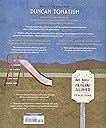
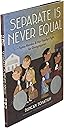
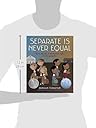
Separate Is Never Equal: Sylvia Mendez and Her Family’s Fight for Desegregation [Tonatiuh, Duncan] on desertcart.com. *FREE* shipping on qualifying offers. Separate Is Never Equal: Sylvia Mendez and Her Family’s Fight for Desegregation Review: A must-have for all classroom and school libraries as a rich text for discussing discrimination and fairness. - Duncan Tonatiuh, in telling this little-known story, has written a really important book - a must-have for school libraries everywhere. The true story of the Mendez family's successful fight against desegregated schools in post-World War II California is a rich source for conversations in the classroom about fairness, justice, prejudice, and historical chapters in our country's checkered past. As a school board member in a highly diverse Northwest suburb of Chicago with a large population of Latino immigrant families, and where more than 60 languages are spoken in the homes of our students, I have successfully read this book in dual-language and general ed classrooms around the district. This picture book has sparked deep, authentic, and brave conversations about race in classrooms with children as young as 8. I will be reading it in junior high classrooms as well in the coming weeks. I would recommend previewing the book starting with the front cover. It's very telling, but not at all surprising, that when asked what's going on in the picture, white children will say things like, "The children are not friends," whereas any brown child will say, "The white kids don't like the other kids," or "The white kids are superior - and I don't know why. They don't like the black kids." It's heartbreaking to hear this out of the mouths of 3rd and 4th graders, but allows children to voice what is their reality in this deeply divided country. And it's a chance to reassure them that light skin color doesn't make anyone superior. Another white 4th grader said, "I wouldn't swim there either if Mexicans aren't allowed to," in response to a picture of a segregated swimming pool. That comment provided an opportunity to talk about how we all can make choices and be counted when we stand up for what is fair. And that led to a conversation about the importance of participating in our democracy by understanding the issues and then voting. Another part of the book mentions Amicus Curiae briefs filed in support of the suit by organizations representing Latinos, Japanese, Jews, and the NAACP. It provides an opportunity to talk about historical discrimination - against the Jews and Japanese during WWII, and of course Blacks throughout US History. I told them about being called anti-semitic names as a young Jewish girl growing up in the 60s and about working at a large corporation that didn't hire Italians or Catholics (never mind Blacks or Jews) in the 1950s and on my very first day of work there in 1981 was "treated" to an antisemitic comment. This broadening of the conversation beyond children with black and brown skin really allowed the children to understand that the issue of fairness is broad-based. One Greek boy asked if Greeks were discriminated against in the past in our country. Knowing my history, I was able to tell him yes, a long time ago. He seemed almost relieved to know that he wasn't left out. Children of this age have such a finely honed sense of fairness, that being included is important to them. Finally, it's the story of a brave family who took on the injustice of a segregated educational system and, through perseverance, succeeded in fully integrating California schools seven years before Brown v The Board of Education, so that not only little Mexican children could go to desegregated schools, but so could all children, whether they be Japanese, Black, Jewish or from any other group. It was clear that the discussion and the responses from the children were reassuring to them all, but most especially to the children with brown skin who learned, if they had any doubt, that their teachers, friends, and classmates are solidly on their side. I cannot thank Duncan Tonatiuh enough for this beautiful, affirming book. Review: A Beautiful Story About Desegregation - After reading “Separate Is Never Equal: Sylvia Mendez and Her Family's Fight for Desegregation” by Duncan Tonatiuh, I can see why this picture book has won so many awards. Long before Brown vs The Board of Education, in the 1940s the Mendez family fought to desegregate public schools in California. And the author is correct, many people really don’t know about this important part of American social and legal history. The author’s inclusion of a sign in the book—“No Dogs or Mexicans Allowed”—really impacted me. When I lived on the Pine Ridge Reservation in the 1990s, a similar sign existed: “No Indians or Dogs Allowed.” It’s heartbreaking that people can be so cruel. This is an important book, in more ways than one. Not only does this book bring to light an important part of American history, but it also shows how various other groups united to support the victims of this discrimination, such as African Americans (NAACP), Japanese American Citizens League, and the American Jewish Congress. Although the illustrator’s name isn’t included, I can only presume that Tonatiuh is also responsible for it. He did a beautiful job. The artwork reminds me in many ways of Pre-Columbian art found in Mexico and Central America. This beautifully illustrated picture book is absolutely wonderful, and I hope that people will purchase this important book for the younger generation.

| Best Sellers Rank | #30,125 in Books ( See Top 100 in Books ) #19 in Children's Social Activists Biographies (Books) #44 in Children's Books on Prejudice & Racism #57 in Children's Multicultural Biographies |
| Customer Reviews | 4.8 4.8 out of 5 stars (1,450) |
| Dimensions | 11.34 x 9.45 x 0.39 inches |
| Edition | Illustrated |
| Grade level | 1 - 4 |
| ISBN-10 | 1419710540 |
| ISBN-13 | 978-1419710544 |
| Item Weight | 15.5 ounces |
| Language | English |
| Part of series | Jane Addams Award Book (Awards) |
| Print length | 40 pages |
| Publication date | May 6, 2014 |
| Publisher | Harry N. Abrams |
| Reading age | 6 - 10 years, from customers |
J**Y
A must-have for all classroom and school libraries as a rich text for discussing discrimination and fairness.
Duncan Tonatiuh, in telling this little-known story, has written a really important book - a must-have for school libraries everywhere. The true story of the Mendez family's successful fight against desegregated schools in post-World War II California is a rich source for conversations in the classroom about fairness, justice, prejudice, and historical chapters in our country's checkered past. As a school board member in a highly diverse Northwest suburb of Chicago with a large population of Latino immigrant families, and where more than 60 languages are spoken in the homes of our students, I have successfully read this book in dual-language and general ed classrooms around the district. This picture book has sparked deep, authentic, and brave conversations about race in classrooms with children as young as 8. I will be reading it in junior high classrooms as well in the coming weeks. I would recommend previewing the book starting with the front cover. It's very telling, but not at all surprising, that when asked what's going on in the picture, white children will say things like, "The children are not friends," whereas any brown child will say, "The white kids don't like the other kids," or "The white kids are superior - and I don't know why. They don't like the black kids." It's heartbreaking to hear this out of the mouths of 3rd and 4th graders, but allows children to voice what is their reality in this deeply divided country. And it's a chance to reassure them that light skin color doesn't make anyone superior. Another white 4th grader said, "I wouldn't swim there either if Mexicans aren't allowed to," in response to a picture of a segregated swimming pool. That comment provided an opportunity to talk about how we all can make choices and be counted when we stand up for what is fair. And that led to a conversation about the importance of participating in our democracy by understanding the issues and then voting. Another part of the book mentions Amicus Curiae briefs filed in support of the suit by organizations representing Latinos, Japanese, Jews, and the NAACP. It provides an opportunity to talk about historical discrimination - against the Jews and Japanese during WWII, and of course Blacks throughout US History. I told them about being called anti-semitic names as a young Jewish girl growing up in the 60s and about working at a large corporation that didn't hire Italians or Catholics (never mind Blacks or Jews) in the 1950s and on my very first day of work there in 1981 was "treated" to an antisemitic comment. This broadening of the conversation beyond children with black and brown skin really allowed the children to understand that the issue of fairness is broad-based. One Greek boy asked if Greeks were discriminated against in the past in our country. Knowing my history, I was able to tell him yes, a long time ago. He seemed almost relieved to know that he wasn't left out. Children of this age have such a finely honed sense of fairness, that being included is important to them. Finally, it's the story of a brave family who took on the injustice of a segregated educational system and, through perseverance, succeeded in fully integrating California schools seven years before Brown v The Board of Education, so that not only little Mexican children could go to desegregated schools, but so could all children, whether they be Japanese, Black, Jewish or from any other group. It was clear that the discussion and the responses from the children were reassuring to them all, but most especially to the children with brown skin who learned, if they had any doubt, that their teachers, friends, and classmates are solidly on their side. I cannot thank Duncan Tonatiuh enough for this beautiful, affirming book.
M**R
A Beautiful Story About Desegregation
After reading “Separate Is Never Equal: Sylvia Mendez and Her Family's Fight for Desegregation” by Duncan Tonatiuh, I can see why this picture book has won so many awards. Long before Brown vs The Board of Education, in the 1940s the Mendez family fought to desegregate public schools in California. And the author is correct, many people really don’t know about this important part of American social and legal history. The author’s inclusion of a sign in the book—“No Dogs or Mexicans Allowed”—really impacted me. When I lived on the Pine Ridge Reservation in the 1990s, a similar sign existed: “No Indians or Dogs Allowed.” It’s heartbreaking that people can be so cruel. This is an important book, in more ways than one. Not only does this book bring to light an important part of American history, but it also shows how various other groups united to support the victims of this discrimination, such as African Americans (NAACP), Japanese American Citizens League, and the American Jewish Congress. Although the illustrator’s name isn’t included, I can only presume that Tonatiuh is also responsible for it. He did a beautiful job. The artwork reminds me in many ways of Pre-Columbian art found in Mexico and Central America. This beautifully illustrated picture book is absolutely wonderful, and I hope that people will purchase this important book for the younger generation.
N**E
True Story of young Activist
True Story of young Activist that helped to change schools and American ideals on segregation in our education system! This book will educate younger family members of "true" American history; not censored, nor 'washed' out version schools must present in many locals. They can search Sylvia Mendez, and contact her. Well worth the cost. Invaluable addition to children's libraries.
V**Z
Must have!
I'm a Latina and have 3 children. This is one of my favorite hidden histories from our Hispanic/Latinx community in the US. This book was simple, had beautiful art, and did a great job speaking to children in a way they can understand. This book is great for 7 years and up. I even read it to my 11-year-old daughter and her 11-year-old cousin. They loved it! This is a must-have in your Hispanic heritage celebration or just to have in the library or in your home!
S**T
so good
such a good book
B**E
Beautifully llustrated Book
I LOVE this book!!! It was way overdue!! Beautifully illustrated with renderings of each Mendez family member that evoke their ancestral ties to different indigenous groups in the United States of Mexico. The book trails their journey searching for a better life and overcoming challenges while doing so, similar to those experienced by immigrants, albeit their origins, when coming to the U.S.A. This family's courageous attempts to be accepted and their actions in combatting segregation in California schools paved the way to the landmark Supreme Court case "Brown v. Board of Education" which ended school segregation throughout the United States. Deepest thanks to author Duncan Tonatiuh and to Amazon for making this award winning children's book readily available. FOR ALL AGES!!!!!!!!!!!!!!!!!!!!!!!!!!!!!!!
D**H
Good for Read Alouds
Nice Read Aloud
E**A
Great book.
My child liked this book. I found it appropriate for his age and reading level. It sparked a great conversation afterwards with my child and I.
R**R
Good source of information for young minds including adult minds
Trustpilot
5 days ago
2 weeks ago